

A practical, complete guide to getting your home ready for your cat in winter: safe warmth, cozy resting spots, food, hygiene, and overall wellness. Simple, effective tips for a warm and happy home.
When the Cold Hits and Your Cat Stares at You from Under a Blanket
There’s a time of year when the floors get cold, the sun disappears way too early, and blankets start taking over the couch. At my house, there’s one infallible judge for when that moment arrives: Minursi. When I see him poke his nose toward the window, glance at the gray sky, and march straight back to his favorite blanket, I know winter has officially arrived.
Getting your home ready for the cold with a feline mindset is almost a ritual. It’s not just about turning up the heat; it’s about creating spaces where your cat feels safe, warm, and entertained. Minursi is always quick to remind me, picking out the sunniest spots in the apartment with surgical precision.
Here’s how I set up my home so winter is a comfortable season for both of us.
Safe Warmth: Keeping the Temperature Comfortable Without the Risks
Comfort Range and Common Sense
Cats are usually comfortable between 68 and 75°F. You don’t need to turn the living room into a sauna, but you do want to avoid sudden temperature swings and cold drafts. I try to keep a steady temperature at home, airing the place out for just a few minutes a day with all the doors closed so you don’t end up with that freezing tunnel of air cats hate so much.
Minursi, who has a built-in radar for warmth, usually parks himself right where the mid-afternoon sun hits. If I can’t find him, the sun found him first.
Heat Sources and Safety Rules
If you have central heating, you’re in luck. Placing a small bed near the radiator (close, but not right up against it) is a great move. Cats love those warm spots where they can doze off without overheating.
Space heaters work too, but use them carefully. I go with models that have an auto-shutoff if they tip over, and I always check for a protective grill. I never leave them running when I’m not in the room. Cats are naturally curious, and that glow from a heater always sparks their inner investigator.
Pet heating pads are a game-changer, especially if your cat runs cold or is on the older side. Pick a low-wattage model with a washable cover and a chew-proof cord. Set it on a stable surface without covering it completely so the heat can dissipate.
An old-school trick that still works great: a hot water bottle wrapped in a cotton cover. Perfect for a short, safe nap.
Washable rugs are also worth mentioning. Beyond looking nice, they insulate against cold floors and give your cat a comfortable spot to stretch out.
My general rule is simple: never use electric blankets made for humans, and never leave candles burning anywhere a curious tail might cause trouble.
Controlling Drafts and Cold Spots
Doors and Windows
Self-adhesive weatherstripping is my best friend. It’s cheap, effective, and keeps cold air from sneaking in through gaps around doors and windows. For older windows, hanging a thicker curtain helps block the draft without making the room too dark.
When I air out the house, I close off the other rooms and make sure Minursi doesn’t get too close. If you have tilt-and-turn windows, there are special safety grills designed to prevent accidents.
Insulation Without Renovation
If you have cold walls, you can place thin foam panels or even pieces of old carpet behind the furniture. On the couch, washable duvet covers are an easy, comfortable fix that makes everything feel warmer.
Cave-style beds create a cozy little microclimate for cats. Minursi loves a box with blankets inside. That combo of an enclosed space and soft texture is his magic formula for a good nap.
Beds, Caves, and Nests: Feline Winter Architecture
The Perfect Nap Map
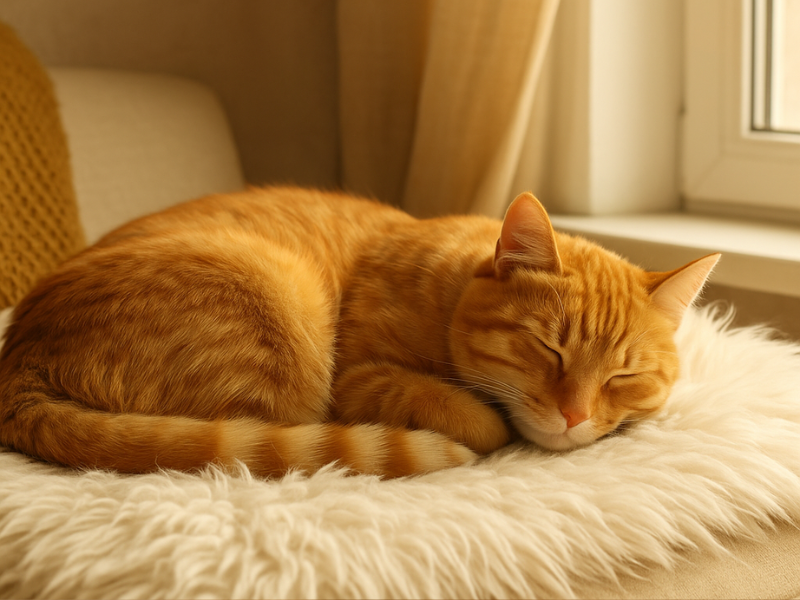
Think of your home as a heat map and set up three key zones: a raised bed near a sunny window, a covered cave in a quiet corner, and a blanket on the couch for shared naps. Cats pick their sleeping spot based on temperature, light, and mood. The more options you offer in winter, the better.
Materials and Shapes That Work
Beds with a raised rim are great for trapping heat and giving cats a sense of security. Oval shapes work especially well since they match that classic donut sleeping position cats love.
Felt or thick fabric caves are another winner. Drop a small wool blanket inside and they become warm, quiet little hideaways.
If your radiators are accessible, radiator hammocks are a fun option. Just make sure they’re stable and can handle your cat’s weight.
On the couch, fleece or coral blankets are a staple. I wash them often and always leave one with my scent on it, because for him, that’s what home smells like.
High and Vertical Spots
Hot air rises, so elevated spots are perfect for winter. Tall scratching posts, shelves with platforms, and window hammocks serve double duty: exercise and warmth.
Minursi has his own throne by the living room window. From up there, he can keep tabs on the street, the sun, and my every move.
Daily Enrichment for Your Cat in Winter: Play and Movement
Indoor Hunting Sessions
Cats tend to move less in winter, so keeping up with playtime is essential, especially if yours is prone to putting on a little weight. It doesn’t have to be complicated. Ten to fifteen minutes of active play, two or three times a day, is enough to keep their body moving and their mind sharp.
Minursi loves playing at night, right when the rest of the world is winding down. Feather wands, fabric mice, crumpled paper balls: anything that moves unpredictably triggers his hunting instinct. I use automatic toys once in a while too, but they don’t replace interactive play. What cats enjoy most is playing with you.
The classic box trick is still unbeatable: a big box with crumpled paper balls inside is basically a cat amusement park.
Paths and Obstacle Courses
When it’s raining and there’s not much to look at through the window, I set up little circuits with collapsible tunnels, cushions, and chairs. I rearrange them every week so he doesn’t get bored. If you have kids, they can help you build the “winter cat course.” It’s fun for everyone, and both the kids and the cat have a blast.
Hunt and Reward
I always end play sessions with a small serving of wet food or a treat. That way we close out the natural hunt-and-reward cycle. After that comes Minursi’s favorite part: grooming, stretching, and a well-earned nap.
Food and Water During Cold Weather
Fresh Water, Not Ice Cold
Cats tend to drink less water when it’s cold, so I place several bowls near the litter box and feeding areas. I also have a water fountain that keeps the water moving, which encourages them to drink more.
I swap in room-temperature water and clean the bowls regularly. Biofilm (that slippery layer that builds up over time) can put cats off drinking, so it’s better to stay ahead of it.
Wet Food with a Little Warmth
Wet food is great for keeping your cat hydrated during winter. Warming it up slightly brings out the smell and boosts their appetite. I usually do this with a quick water bath or a splash of warm water, but never in the microwave since it heats unevenly.
Portions and Activity Level
If your cat moves less in winter, it’s a good idea to adjust portion sizes. I prefer splitting meals into smaller servings throughout the day. Keeping their weight steady matters, and daily play helps balance things out. If you notice unexplained weight loss or a drop in appetite, it’s time to check in with the vet.
Hygiene and the Litter Box in Winter
Location Without Drafts
The litter box shouldn’t be on an enclosed balcony or in a spot with cold drafts. Ideally, put it somewhere ventilated but with a consistent temperature. I place a soft mat underneath so their paws don’t touch the cold floor directly.
Cleaning and Odors
With windows staying closed more in winter, odors become more noticeable. Clean the box daily and change the litter more frequently if you need to. If you use a covered litter box, an activated charcoal filter helps with the smell, but if your cat doesn’t like the lid, leave it off and just clean more often.
A trick that works well for me: use a litter with good absorption and scoop out waste with a fine mesh scooper. The litter lasts longer and the room stays fresher.
Fur, Shedding, and Coat Care
Regular Brushing
Indoor heating dries out the air, and cat hair piles up faster as a result. Brushing daily helps cut down on hairballs and improves circulation. If your cat has long hair, keep brushing sessions short and pleasant so they don’t get fed up.
Minursi likes it when the brush is warm, so I leave it next to the radiator for a few seconds before using it. It turns into a little massage, and I get a purr out of it.
Skin and Indoor Air
A little humidity in the air goes a long way for their skin and respiratory health. You don’t need an expensive humidifier; just setting a bowl of water near a radiator does the job.
Keep your cat’s nails trimmed carefully and provide several scratching posts so they can maintain their claws without wrecking your furniture. In winter, cardboard scratchers tend to build up static, so I swap them out more often.
Windows, Balconies, and Safety in Winter
Nets and Locks
Even when it’s cold, your cat’s curiosity doesn’t hibernate. If you have a balcony or accessible windows, check the safety nets and fasteners. When it’s rainy or windy, it’s better to pull in the awnings and any loose fabric.
I also check the plants. Some common houseplants, like holly and mistletoe, are toxic to cats. In winter, cats spend more time indoors, so it’s worth keeping that in mind.
Winter Window Perches
A perch by the window can be the ultimate entertainment for your furry friend. I set up a cushioned shelf on the windowsill or a suction-cup hammock with a blanket on top. Even when it’s gray outside, cats love watching the world.
Minursi can spend half an hour watching the leaves fall or people walking by. It’s his version of a relaxing TV show.
Health, Warning Signs, and When to Call the Vet
Watch the Basics
In winter, I pay closer attention to the details: appetite, activity level, whether he’s drinking less water, and whether the litter box looks normal. The occasional sneeze isn’t a big deal, but if there’s discharge, coughing, or a noticeable drop in energy, it’s time to see the vet.
Older cats are more sensitive to the cold. If yours is getting up there in years, they might appreciate a memory foam bed or a warm spot near the floor where they can sleep.
Joints and Gentle Heat
Moderate warmth helps keep joints flexible. Orthopedic beds with memory foam are comfortable and retain heat well. You can also set up a small ramp or step stool so they don’t have to jump as much.
Minursi doesn’t have any joint issues yet, but I’ve already placed a thicker rug next to his favorite sleeping spot to keep his paws off the cold floor.
Routine, Order, and Calm for Your Cat in Winter
Daily Rhythm
Cats love predictability, so I try to keep meal times, play sessions, and rest on a similar schedule, even when the days get shorter. Early sunsets can throw off their routine, so a warm-toned light on a timer can help ease that transition.
Quiet Zones
During winter I spend more time at home, and that shifts the energy in the space. Make sure your cat has a quiet corner with no noise or visitors where they can rest without interruptions. A blanket, some soft background music, and dim lighting do wonders.
Small Home, Big Ideas: Budget-Friendly Solutions That Work
Box, Blanket, and Towel
If you’re on a tight budget, no worries. A simple cardboard box with a blanket and a rolled-up towel along the edge makes a perfect little shelter. Minursi always ends up choosing the box over the fanciest bed, so never underestimate the power of keeping it simple.
Portable Sunshine
I place small mirrors near the window to bounce light toward spots where he likes to sleep. I also use lightweight rugs that wash easily and thin blankets I can move around as the sun shifts throughout the day.
DIY Scratching Posts
A piece of sisal rope wrapped around a board or a stack of glued-together cardboard pieces can work really well. The key is securing them so they don’t wobble, because if they’re unstable, your cat will ditch them immediately.
Living with Other Pets
Dogs and Warm Coexistence
If you have dogs at home, sticking to routines helps keep the peace. Regular walks help your dog burn off energy so they’re calmer inside, and shared nap time gets a lot more peaceful. Everyone gets their own bed and blanket, and harmony rules.
Multiple Cats
If you have more than one cat, doubling up on resources is a must: two beds, two caves, two scratching posts. That way you avoid tension over the warm spots and everyone gets to pick their own throne.
Quick Checklist for Enjoying Winter with Your Cat
-Temperature between 68 and 75°F.
-Weatherstripping on doors and windows.
-Three rest zones: a high sunny spot, a quiet cave, and a social blanket.
-Daily play in short sessions with a treat at the end.
-Clean water in several spots and slightly warmed wet food.
-Clean litter box, no drafts.
-Frequent brushing and a little humidity in the air.
-Safety nets and a window perch.
-Watch for health signals and keep routines predictable.
Frequently Asked Questions About Getting Your Home Ready for Your Cat in Winter
What temperature should the house be for my cat in winter?
Between 68 and 75°F. You don’t need more than that if they have blankets and sheltered spots. Cats regulate heat pretty well, but they can’t handle drafts.
Can I use electric blankets?
Only ones designed for pets, low wattage and with a chew-proof cord. Electric blankets made for humans aren’t safe because of claws and chewing.
What if my cat is drinking less water?
Set up fountains or bowls in different areas, especially near their favorite spots. Offer wet food and keep the water at room temperature.
Is it a good idea to move the litter box?
If it’s in a cold or drafty area, yes. Find a stable spot with good airflow and a mat underneath for insulation.
My cat sleeps more in winter. Is that normal?
Yes, they sleep more when daylight decreases. As long as they’re still active and eating well, it’s normal. If they seem sluggish, check in with the vet.
How do I keep my cat active when the weather is bad?
Play with them several times a day, rotate toy locations, and offer small challenges. Tunnels and boxes help keep their curiosity going.
Are cave beds always necessary?
Not always, but they’re definitely recommended. Cats also like having open and elevated options to hang out in. The key is letting them choose.
Can I light candles for a cozy vibe?
Better to use warm-toned LED lights. Candles look great, but the risk with curious tails isn’t worth it.
Winter: The Season of Purring
When the cold settles in and the days get shorter, everything at home slows down. I make myself a cup of tea, turn on a warm light, and listen to Minursi kneading his little blanket. That sound is all the proof I need that everything is right where it should be.
Getting your home ready for your cat in winter isn’t just about temperature. It’s about building a space where you’re both comfortable, calm, and wrapped up. A shared refuge that smells like home.
Every blanket, every corner, every ray of sun that comes through the window has a little bit of love in it. When I watch Minursi sleep, I know every small effort was worth it.
Now I want to hear from you. How do you get your home ready for your cat in winter? Do you have a go-to trick, a favorite bed, a routine that helps you both get through the cold days a little more comfortably? I’d love to read your ideas so we can all make sure our cats have a winter full of warmth, naps, and happy purrs.